BLOCK 1 — OPEN WITH THE PAIN
You cut carbs, eat less, start another diet… and somehow the weight keeps coming back. Your clothes feel tighter, and the person staring back at you in the mirror just doesn’t feel like the old you anymore.
Maybe you’ve already tried fasting, low-carb, keto, exercise, supplements, or one of those popular weight-loss programs. You might lose a few pounds at first… only to watch them creep right back.
And then comes the worst part: you start wondering if the problem is you. Maybe you just don’t have enough discipline. Maybe you need more willpower. But what if that explanation is completely wrong?
BLOCK 2 — AGITATE THE PROBLEM
Because when the weight keeps piling on, it doesn’t just affect the number on the scale. It can change how you see yourself, how your clothes fit, your confidence, and even how much energy you have to enjoy everyday moments with the people you love.
And there’s an even bigger concern: getting older while feeling like your own body is becoming harder and harder to control. That’s exactly what pushed some of the people in this story to look for a completely different explanation.
BLOCK 3 — THE TURN: IT’S NOT YOUR FAULT
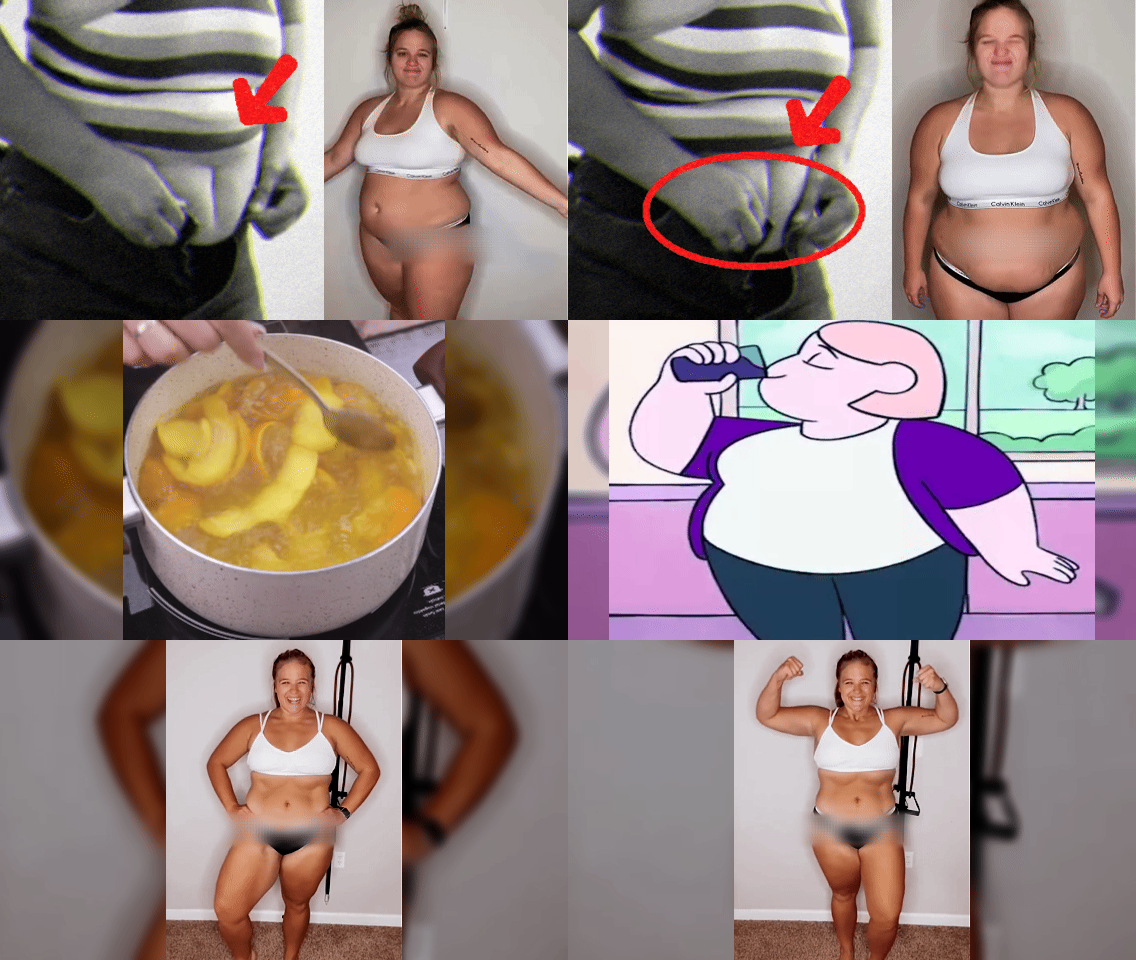
The story presented in the VSL starts with a very different idea: maybe you’re not simply “eating too much.” According to the explanation presented, the real problem may be a metabolism stuck in a fat-storage mode, combined with what’s described as oxidative stress.
In other words, you may have been following advice that sounds perfectly reasonable… but doesn’t address the underlying cause described in this discovery. Instead of constantly fighting your cravings and trying to eat less, the question becomes: What if you could help your own body use stored fat for energy?
BLOCK 4 — THE DISCOVERY
The story takes us to Nagano, Japan, where the VSL describes a population known for longevity and eating habits that, at first glance, seem to go against many traditional weight-loss rules.
That’s where a Japanese researcher identified in the story as Dr. Hiroshi comes in. He reportedly investigated an ancient ritual involving water and specific plant compounds.
The mechanism described is called “bipolysis.” In simple terms, the VSL explains it as a process that may help break stored fat down into components the body can use for energy.
But there’s an even more intriguing part.
According to the story, researchers tested different ingredient combinations before arriving at a specific formula containing cinnamon cassia, ashwagandha, polyphenols, and citrus pectin. 232 different combinations were reportedly tested before the final formulation was selected.
And this is where things get really interesting: instead of being presented as just another capsule or pill, the approach involves a simple water-based routine that takes only a few seconds.
BLOCK 5 — SOCIAL PROOF
In the VSL, Christopher Albright reports losing 59 pounds, eventually reaching approximately 176 pounds. His wife, Amy, is presented as losing 42 pounds and dropping four clothing sizes.
The story also claims the approach was tested with around 1,400 people, with an average reported weight loss of approximately 28 pounds. Among the testimonials featured, John says: “I lost 29 pounds.”
These numbers and testimonials are claims and personal experiences presented in the VSL and are not a guarantee that another person will experience the same results.
BLOCK 6 — FINAL CTA
The full story explains how this unusual 7-second ritual works, where it came from, and why the researchers featured in the VSL believe it may be different from traditional approaches. Watch the video while it’s still available and see the details for yourself before making up your mind.
This website is independent of Google, Inc. and Google.com and is neither sponsored nor endorsed by Google. The trademark “YouTube” is owned by Google, Inc.
Before putting into practice any strategy mentioned on this website, it is advisable to seek guidance from a healthcare professional.
Copyright 2024. All Rights Reserved.